 how-to
Is Artificial Grass Durable Enough for Heavy Foot Traffic?
Last Updated: October 28, 2026
Quick Summary
Artificial grass can handle heavy foot traffic when the turf is matched to how hard the space is used. Heavy-use zones like dog runs and play areas need higher face weight, shorter pile and strong backing, while light-use lawns can use softer, longer blades.
- Walk the space at its busiest time and note where people turn, stop or gather.
- Shorter-to-moderate pile holds its shape better under heavy traffic than long blades.
- Ask for face weight, pile height, gauge and backing type in writing before signing.
- Compress a turf sample by hand; quality turf springs back quickly.
- Brush high-traffic zones every couple of weeks during peak season to restore upright fibers.
Table of Contents
- Artificial Grass Pile Height and Density for Busy Areas
- Artificial Turf Backing and Drainage Checks Before You Buy
- Fiber Materials and Infill That Resist Wear
- How to Maintain Artificial Grass in High-Traffic Areas
- How Long Durable Artificial Grass Lasts and What It Costs Per Year
- Scheduling Your Free Turf Estimate for a High-Traffic Yard
- Frequently Asked Questions
Artificial grass can handle heavy foot traffic, but only if you match the turf to how hard the space will really be used. Bold Turf Co. installs synthetic turf across Northeast Florida. Durable artificial grass for high traffic areas starts with that answer, not with the product brochure.
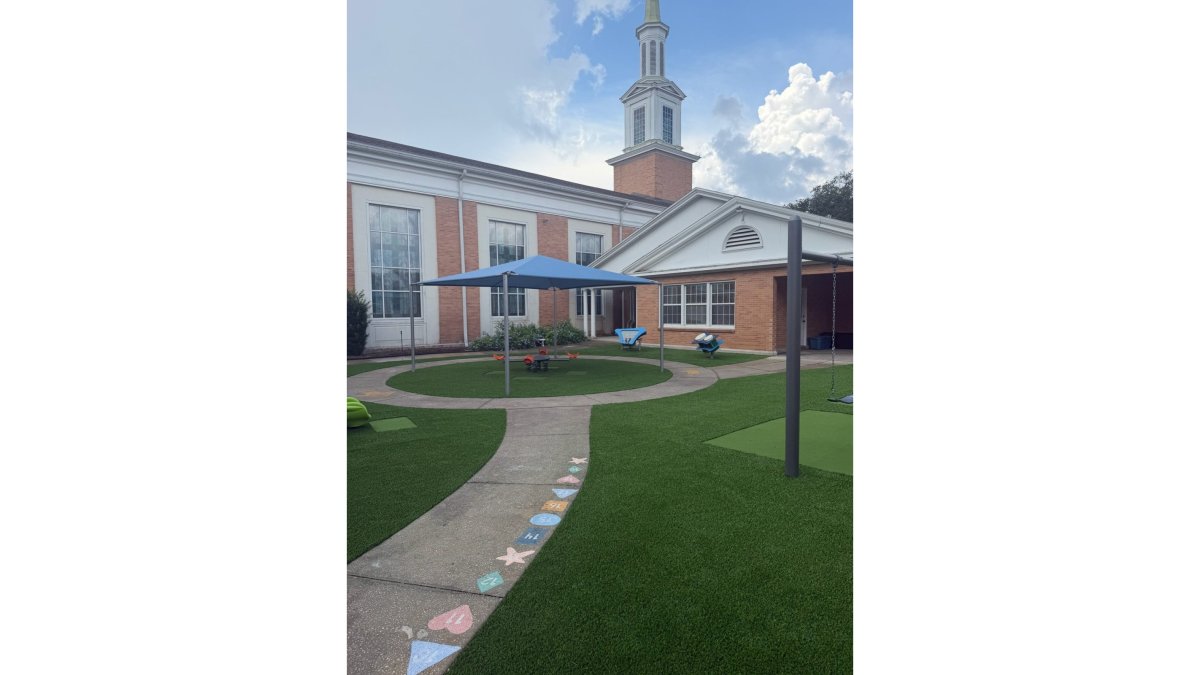
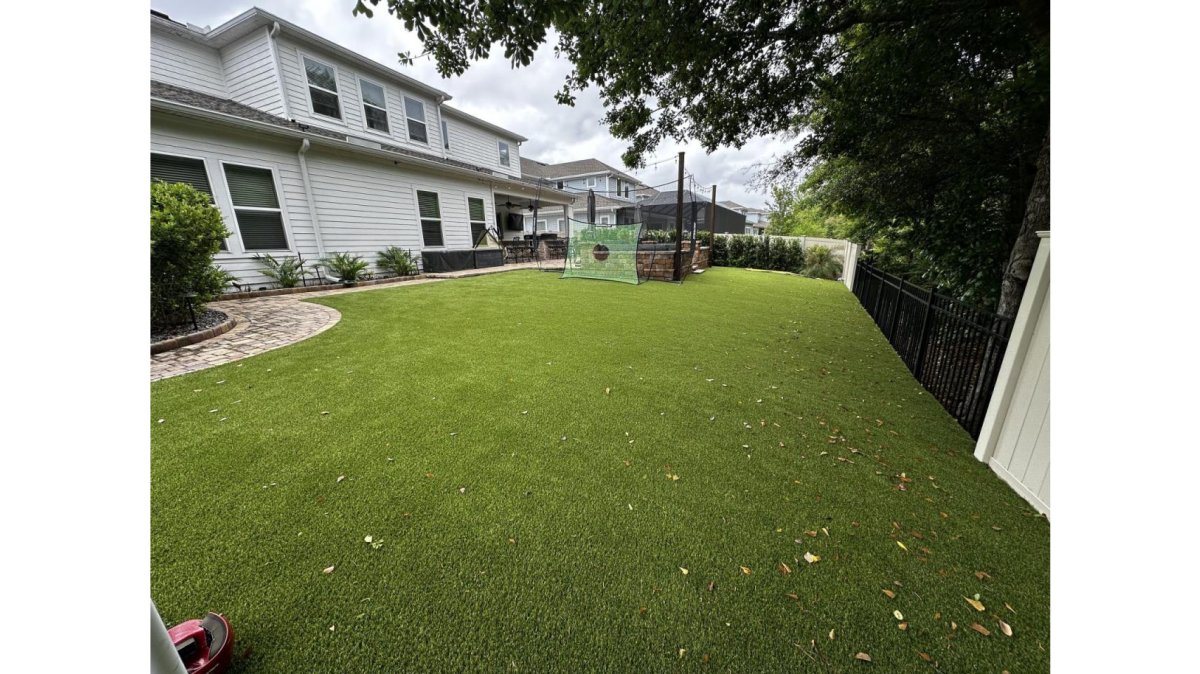
A quiet front lawn that sees a few visitors a week needs far less than a backyard where two dogs run laps, kids play tag and a patio table gets dragged across the grass. Light use means decorative spaces and walkways. Moderate use covers most family yards. Heavy use describes dog runs, play zones, commercial entrances and any area where the turf takes constant wear.
A common mistake is buying one product for the whole property. The front strip near the mailbox may need a different specification than the sport-style play area out back.
Before you choose anything, walk the space at the busiest time of day and count how often the same path gets crossed. Note where people turn, stop or gather. Those spots wear first, and they tell you where to upgrade. Most owners find that only one or two zones need heavy-duty turf, which is good news for the budget.
Artificial Grass Pile Height and Density for Busy Areas
Pile height and density are the two specs that most affect how turf holds up under foot traffic, and they are the two numbers you should insist on seeing in writing before you sign a quote. Pile height is the length of the grass blades above the backing, usually stated in inches. Density is how many fiber tufts are packed into a given area, often expressed as stitches per square inch or as a denier-and-gauge combination. Face weight, the total weight of fiber per square yard, ties the two together and is the single most comparable figure across products.
Pile height trade-offs
Shorter pile tends to hold its shape under heavy traffic and dries quickly after rain. It also suits play areas and dog runs where flattening would show quickly. Longer pile looks softer and more lush, but it can mat down in busy paths and trap debris, so it is usually better for low-traffic lawns. For most high-use yards, a moderate pile that stays upright under pressure gives the best mix of comfort and resilience. As a rule of thumb, busy family yards and pet zones do well with a shorter-to-moderate pile, while decorative front lawns can carry a longer, softer blade.
Fiber density and face weight
Face weight measures the total weight of fiber per square yard, and it is the figure most worth comparing between products. Higher face weight generally means more fiber to absorb impact and more resistance to flattening. Density works alongside it: tightly spaced fibers keep the surface even and make it harder for dog paws or cleats to dig into the backing. When comparing quotes, ask for the face weight, pile height, gauge and backing type in writing rather than relying on marketing terms like "heavy duty."
A side-by-side spec checklist
Use this checklist to compare two or three products on equal terms instead of judging by showroom appearance:
- Face weight (oz per square yard), higher generally resists flattening better in busy zones.
- Pile height (inches), shorter for play and pet areas, longer for low-traffic looks.
- Gauge and stitch rate, tighter spacing supports the fibers and hides the backing.
- Fiber shape, textured or twisted blades recover more readily than flat, straight blades.
- Primary backing and secondary coating, a strong tuft lock keeps fibers from pulling out.
- Perforation and drainage rate, critical where storms are heavy and soils are clay-heavy.
- Warranty terms, check what traffic level and applications the manufacturer actually covers.
Site assessment before you choose
Before you choose anything, walk the space at the busiest time of day and count how often the same path gets crossed. Note where people turn, stop or gather. Those spots wear first, and they tell you where to upgrade. Most owners find that only one or two zones need heavy-duty turf, which is good news for the budget. Measure each zone separately and record sun exposure, drainage, and whether pets or cleats will be on it, because those factors change the spec you should buy.
Installation steps that protect density
Density on the roll means little if the base is wrong. A practical sequence most installers follow: excavate and grade for drainage, compact a crushed-stone base, add a weed barrier where specified, roll out and seam the turf, secure edges, then apply and work in infill. Each step affects how the fibers stand up. A soft or uneven base lets fibers lean and mat; a properly compacted base keeps the surface flat so traffic is distributed evenly.
The article's key specs for busy turf can be compared at a glance:
| Spec | What to look for | Why it matters |
|---|---|---|
| Face weight | Higher oz per square yard | Resists flattening in busy zones |
| Pile height | Shorter to moderate for busy yards | Holds its shape under traffic |
| Gauge and stitch rate | Tighter spacing | Supports fibers and hides backing |
| Fiber shape | Textured or twisted blades | Recovers more readily than flat blades |
| Backing and coating | Strong tuft lock | Keeps fibers from pulling out |
| Drainage rate | Adequate for heavy storms | Critical on clay-heavy soils |
Artificial Turf Backing and Drainage Checks Before You Buy
Run a simple test during your consultation: ask how quickly water will drain from the surface after a heavy rain and what happens to the base after years of use. Explore antimicrobial, fast-draining pet turf built for these checks. A good installer will answer with specifics about the base layers and drainage rate.
Fiber Materials and Infill That Resist Wear
Infill is the granular material spread between the fibers. It keeps blades upright, cushions the surface and adds weight so the turf doesn't shift. Silica sand, crumb rubber and newer organic or antimicrobial infills each behave differently. In pet areas, odor-control infill can make a noticeable difference. Ask whether the infill is sized and applied for your traffic level, because too little or the wrong type leads to flattening and bare spots.
How to Maintain Artificial Grass in High-Traffic Areas
Maintenance for high-traffic turf is simple, but it has to be consistent. The goal is to keep fibers upright, keep infill where it belongs, and remove debris before it works into the backing. A practical routine beats occasional deep cleaning.
Fiber recovery: brushing cadence
Brush the fibers in busy zones with a stiff broom or power brush to lift matted blades and restore the upright look. In heavy-use areas, a light brushing every couple of weeks during peak season is a common pattern; lighter zones may need it monthly. Brush against the grain of the pile, then back with it, so fibers stand up rather than lean in one direction. This fiber recovery step makes the biggest difference in heavily used spots, and it is the step most owners skip.
Debris removal and rinsing
Remove debris such as leaves, dog waste and food promptly so it doesn't work into the infill. Rinse pet areas regularly to flush urine and reduce odor. In warm months, a periodic rinse also helps move fine dust out of the pile. Avoid blowing turf with a leaf blower at high power without checking the manufacturer's guidance, which can loosen fibers and damage backing.
Infill replenishment
Infill migrates out of high-traffic paths over time. Check depth in worn patches and top up where it has thinned, matching the original infill type and size. Too little infill lets blades lean and flatten; too much can make the surface firm and reduce drainage. Redistribute infill in worn patches rather than adding a fresh layer across the whole lawn.
Seams, edges and hardware
Check the seams and edges monthly, especially where furniture is moved or pets gather. Look for lifted edges, loose seaming tape and ripples. Small, regular steps prevent the bare spots and flattening that make owners think the turf has failed. Keep furniture feet and grill legs on pads to spread load and reduce concentrated wear.
A simple seasonal schedule
- Weekly: remove debris and pet waste; spot-rinse pet areas.
- Every two to four weeks in season: brush high-traffic zones for fiber recovery.
- Monthly: inspect seams, edges and infill depth.
- Seasonally: deep-rinse, top up infill in worn paths, and check drainage after heavy storms.
How Long Durable Artificial Grass Lasts and What It Costs Per Year
Once you have a quote, compare the price against your needs. Avoid judging only the sticker price. Bold Turf Co. offers financing options, so request a quote.
If you are weighing turf against natural grass, count the recurring costs of mowing, watering, fertilizer and reseeding.
University of Florida IFAS guidance on Florida lawn care
Scheduling Your Free Turf Estimate for a High-Traffic Yard
A free turf estimate is available. Bring a rough idea of how the yard is used, including pets, children and any events.
Request your free turf estimate. Bold Turf Co. is a local, family-owned business, and owners are directly involved throughout the installation process.
Frequently Asked Questions
What type of artificial grass is best for high-traffic areas?
For high-traffic areas, look for polyethylene or polypropylene fibers with a dense face weight, a moderate pile height that stays upright, and a polyurethane backing that holds its shape. Commercial-grade turf with a firm infill layer generally recovers better after repeated use than lightweight residential products. Ask for the product specifications in writing so you can compare fiber type, pile height and backing directly rather than relying on marketing terms like heavy duty.
Does artificial grass flatten in busy areas?
Some turf flattens under constant use, especially when the pile is long and the fibers are thin. Flattening is most common in spots where pets dig, children gather, or people walk the same path daily. Choosing a denser turf with a stable backing and maintaining the infill layer reduces flattening. Brushing the surface and rinsing high-use zones also helps the fibers stand back up between uses.
How do you maintain artificial grass in high-traffic areas?
Remove debris and pet waste regularly, rinse the surface to clear odors and dust, and brush high-traffic zones to lift matted fibers. Check the infill level every few months and top it up where it has settled or washed out. Keep an eye on drainage, since clogged areas can soften the backing over time. A simple maintenance routine usually does more to extend lifespan than any single product choice.
Is artificial grass suitable for dogs and busy family yards?
Bold Turf Co. uses PFAS-free materials. Contact us for a free turf estimate to discuss your yard.