 blog
blog
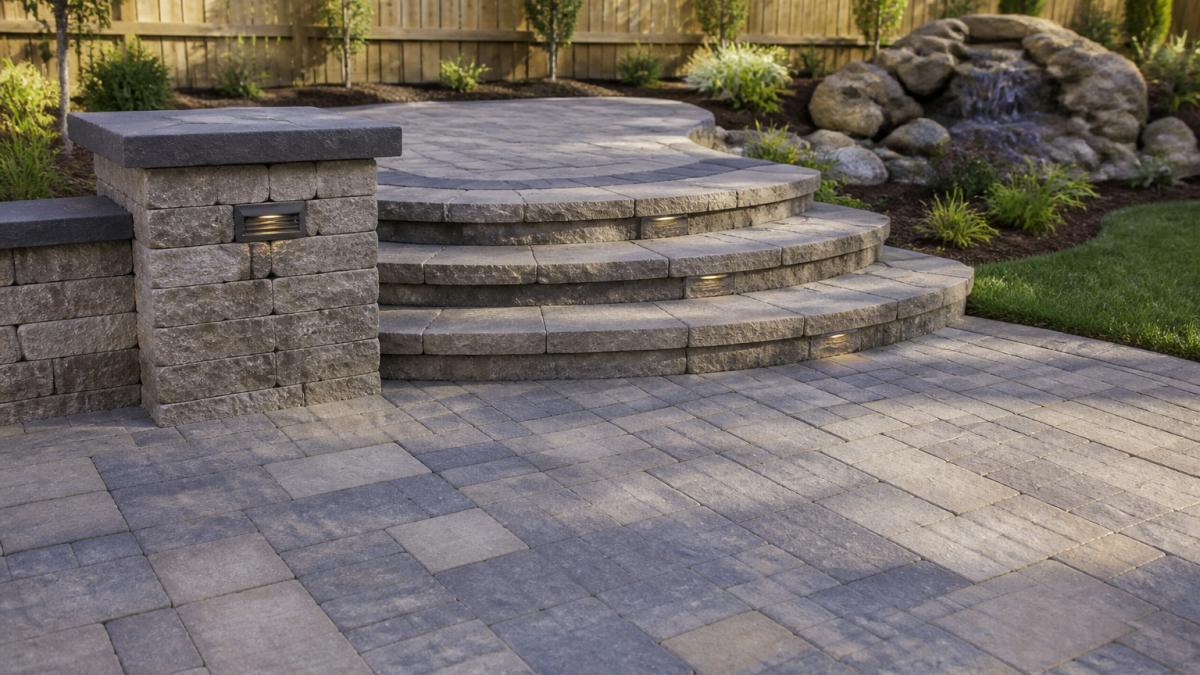
Durable Hardscape Designs for Florida Homes
Table of Contents
- 1. Why Standard Hardscape Designs Fail in Florida's Climate
- 2. Permeable Paver Installation Benefits for Heavy Rain and Drainage
- 3. Best Materials for Hurricane-Resistant and Salt-Air Durable Hardscapes
- 4. Artificial Turf and Hardscape Integration: A Low-Maintenance Outdoor Living Solution
- 5. Low-Maintenance Backyard Landscaping Ideas That Pair With Hardscape
- 6. Structural Integrity: Sub-Base Preparation and Retaining Wall Drainage
- 7. Planning Your Durable Hardscape Design: What to Ignore and What Matters
- Frequently Asked Questions
Last Updated: September 28, 2026
1. Why Standard Hardscape Designs Fail in Florida's Climate
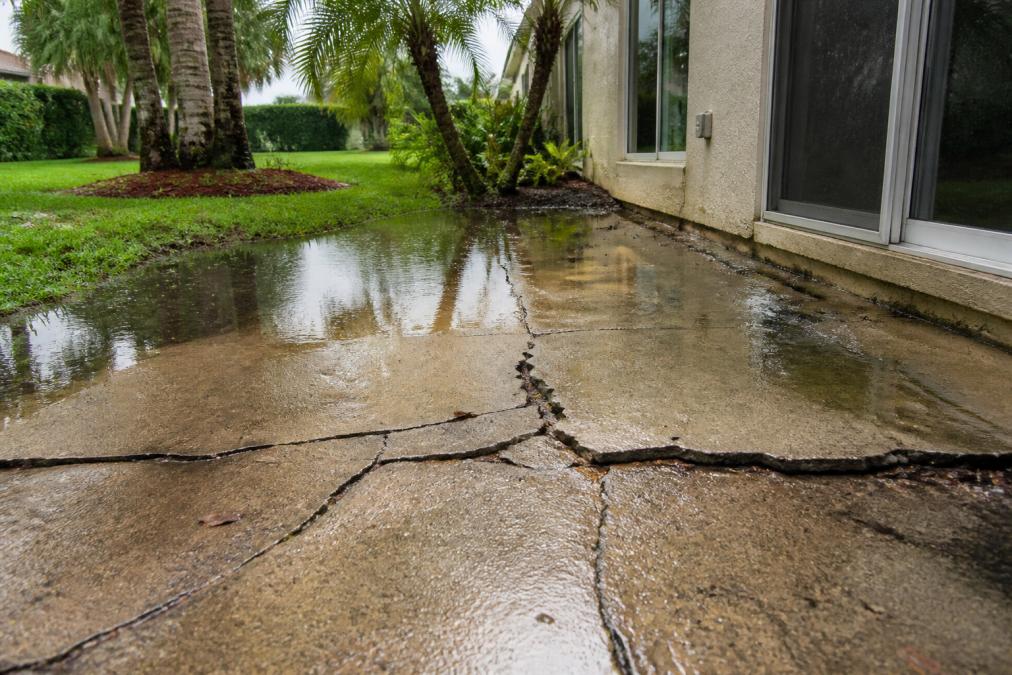
Most hardscape designs fail here for one reason: they were built for a different climate. Heavy summer rain, intense sun, salt air, and hurricane-season wind push standard concrete patios and walkways past their limits. At Bold Turf Co., we see the same failures repeat across Northeast Florida yards.
The typical problems:
- Pooling water that sits for days after a storm
- Cracked, shifting concrete from a thin or poorly compacted base
- Faded color and surface pitting from year-round UV exposure
- Rusted fasteners and corroded edging near the coast
The fix starts before any paver goes down. A durable hardscape needs a base built for water movement, materials chosen for humidity and salt, and joints that flex instead of crack.
2. Permeable Paver Installation Benefits for Heavy Rain and Drainage
Permeable paver installation benefits start with one big advantage: water drains through the surface instead of running off it. That matters when afternoon storms drop inches of rain in under an hour.
Here's how a permeable system works:
- Open joints between pavers let water pass through
- A crushed-stone base stores water while it soaks into the soil
- A filter fabric keeps soil from clogging the stone layer
The result is less standing water, fewer mosquito problems, and less stress on your foundation. A common approach is to pair permeable pavers with swales or rain barrels to move excess water away from the house.
Maintenance is simple but not optional. You need to sweep or vacuum the joints a few times a year, and top up polymeric sand as it settles. Skip this, and the system clogs and stops draining.
3. Best Materials for Hurricane-Resistant and Salt-Air Durable Hardscapes
Concrete pavers and natural stone are the two workhorses here. Each handles wind, salt, and humidity differently, so the right pick depends on where you live and how the space gets used.
Concrete Pavers vs. Natural Stone in High Humidity
Concrete pavers are uniform, cost less, and come in many colors. They handle humidity well when sealed. Natural stone like travertine or shellstone stays cooler underfoot and ages with character, but it costs more and needs a sealer to resist salt damage.
| Material | Best For | Salt-Air Performance | Maintenance |
|---|---|---|---|
| Concrete pavers | Patios, driveways, walkways | Good with sealing | Reseal every 2-3 years |
| Travertine | Pool decks, coastal patios | Very good, naturally dense | Reseal every 2-3 years |
| Shellstone | Coastal patios, walkways | Good, needs sealing | Reseal yearly near coast |
| Clay brick | Traditional patios, edging | Moderate | Reseal as needed |
Sealing and Maintenance Schedules for Coastal Properties
A sealing and maintenance schedule is what separates a hardscape that lasts a decade from one that fades in two years. Near the coast, salt-air corrosion eats at fasteners, edging, and unsealed surfaces.
- Reseal every 2-3 years for inland homes
- Reseal yearly for homes within a few miles of the ocean
- Rinse salt residue after major storms
- Check polymeric sand in paver joints each spring
4. Artificial Turf and Hardscape Integration: A Low-Maintenance Outdoor Living Solution
Artificial turf and hardscape integration solves a problem pavers alone can't: what goes between the patio and the fence. Bare dirt turns to mud, and natural grass struggles in heavy shade or high-traffic zones.
Pairing turf with pavers gives you:
- A clean, green surface that never needs mowing or watering
- A soft landing zone for kids and pets next to hard surfaces
- A consistent look year-round, even in shade
A common mistake is installing turf right against a paver edge with no transition. That gap collects water and weeds. The fix is a proper edge restraint and a compacted base that ties both surfaces together.
5. Low-Maintenance Backyard Landscaping Ideas That Pair With Hardscape
Low-maintenance backyard landscaping ideas work best when they lean on drought-tolerant plants and smart layout instead of constant upkeep. The goal is a yard that looks good without a weekend of work every month.
Start with these:
- Drought-tolerant ground cover between pavers
- Native shrubs along the patio edge for privacy
- Mulch beds instead of grass in shady spots
- Drip irrigation instead of sprinklers
Hardscape-to-Plant Transition Zones and Pollinator-Friendly Borders
The transition zone is where hardscape meets soil, and it's where most yards fail. Water pools there, soil erodes, and plants struggle.
Build a buffer strip of gravel or river rock between the paver edge and the planting bed. It slows runoff and keeps mulch from washing onto the patio. Add pollinator-friendly plants like salvia or blanket flower along the border for color and habitat.
6. Structural Integrity: Sub-Base Preparation and Retaining Wall Drainage
Structural integrity comes down to two things: sub-base preparation and retaining wall drainage. Get either wrong, and the whole project fails.
Sub-base preparation means digging deep enough, compacting in layers, and using the right crushed stone. A base that's too thin or not compacted will shift under the first heavy rain.
Retaining walls need drainage behind them. Water builds up in soil, pushes against the wall, and eventually causes it to lean or crack. The fix is a gravel backfill, filter fabric, and weep holes that let water escape.
- Excavate to the correct depth for your soil type
- Compact in 2-4 inch lifts, not all at once
- Use crushed stone, not fill dirt
- Add drainage behind every wall over two feet tall
7. Planning Your Durable Hardscape Design: What to Ignore and What Matters
Planning a durable hardscape design gets easier once you know what to skip. Flashy add-ons like plunge pools or elaborate outdoor kitchens look great in photos, but they add cost and maintenance without fixing the basics.
What actually matters:
- Drainage first. Plan where water goes before you pick a single paver.
- Base depth. Match it to your soil and expected load.
- Material fit. Choose for your climate, not the showroom.
- Maintenance plan. Know what you'll reseal, rinse, and refill.
What you can ignore: matching the trendiest look, oversized features, and any design that doesn't account for how water moves across your yard.
For homeowners who want a low-maintenance outdoor living space, pairing durable hardscape with artificial turf is a solid path. Bold Turf Co. installs PFAS-free turf and professional hardscapes across Northeast Florida, with owners on site from start to finish. That means one team handles the base, the pavers, and the turf, so the transition zones actually work.
FEMA guidance on flood-resistant construction and drainage
EPA resources on stormwater and permeable surfaces
University of Florida IFAS Extension on Florida-friendly landscaping
Frequently Asked Questions
What are the most durable hardscape materials for high-humidity environments?
Concrete pavers and natural stone like travertine or granite hold up best in high humidity. Concrete pavers resist moisture absorption and can be sealed to prevent mold. Natural stone offers superior density and freeze-thaw resistance. Avoid porous materials like unsealed flagstone, which can degrade quickly. Proper sub-base preparation and polymeric sand in the joints are critical for longevity in humid climates.
Are permeable pavers a good choice for managing heavy rainfall?
Yes. Permeable pavers allow water to filter through joints and into the sub-base, reducing runoff and pooling. They work well with swales and rain barrels for drainage management. For Florida's intense storms, permeable paver installation benefits include erosion control and foundation stability. Schedule annual cleaning to prevent clogging, and avoid sand or dirt sweeping into the joints.
How do I integrate artificial turf with stone hardscaping?
Artificial turf and hardscape integration starts with a clear edge, such as steel or concrete border, to hold the turf in place. Leave a small gap for drainage and use polymeric sand to lock paver joints. Choose a turf with a low pile height for a natural look against stone. This combination creates a low-maintenance backyard that stays green year-round and handles pet traffic well.
What maintenance do concrete pavers need compared to natural stone?
Concrete pavers need re-sanding every 2-3 years and sealing every 3-5 years to prevent fading and weed growth. Natural stone requires sealing every 1-2 years and occasional re-leveling. Both need regular sweeping and rinsing. In coastal areas, salt-air corrosion mitigation means sealing more often. Pressure washing is safe for both if done at low pressure to avoid joint damage.
Heavy rain, salt air, and hurricane season will test any hardscape you build. The difference between a patio that lasts and one that fails comes down to drainage, base work, and material choice. Bold Turf Co. handles all three with PFAS-free artificial turf, professional hardscape installation, and owner-led project management from start to finish. Get started with Bold Turf Co. and build an outdoor space that holds up season after season.