 How-to
How to Decide If Turf Needs a Weed Barrier
Last Updated: November 12, 2026
Quick Summary
Artificial turf does not always need a weed barrier. A barrier helps most where weed pressure is high, the soil is rich and damp, or the base is thin, and helps least over a clean, well-drained base on compacted aggregate.
- Lean toward a barrier if the site has a heavy weed history or is shaded and damp.
- A barrier may be optional on a clean, graded, well-drained base.
- Concrete or other hard surfaces usually need no barrier.
- Barriers can restrict water flow, so poor drainage may lead to pooling.
- Nonwoven fabrics generally allow water to move through better than woven ones.
Table of Contents
- Does Artificial Turf Actually Need a Weed Barrier?
- How Weeds Get Through Artificial Turf in the First Place
- Weeds growing through the turf versus seeds germinating on top
- The Real Benefits and Drawbacks of a Weed Barrier
- Non Woven Geotextile Fabric Weed Barrier: Material and Permeability
- What to Put Under Artificial Grass for Drainage
- Artificial Turf Base Preparation Step by Step
- Choosing a Setup for Your Site and Booking Your Estimate
- Frequently Asked Questions
Artificial turf does not always need a weed barrier, but the answer depends on your soil, your sun, and what sits beneath the lawn. Here is how to decide for your yard.
A weed barrier is a layer of fabric placed between the base material and the native soil. If you are wondering whether turf can go over a hard surface at all, see whether artificial turf can be installed over concrete. Its job is to stop plants from pushing up through the turf. That sounds simple, but the decision is more nuanced than most guides suggest.
The short answer: a barrier helps most where weed pressure is high, where the soil is rich and damp, and where the base is thin. It helps least on a clean, well-drained sub-base over compacted aggregate.
Does Artificial Turf Actually Need a Weed Barrier?
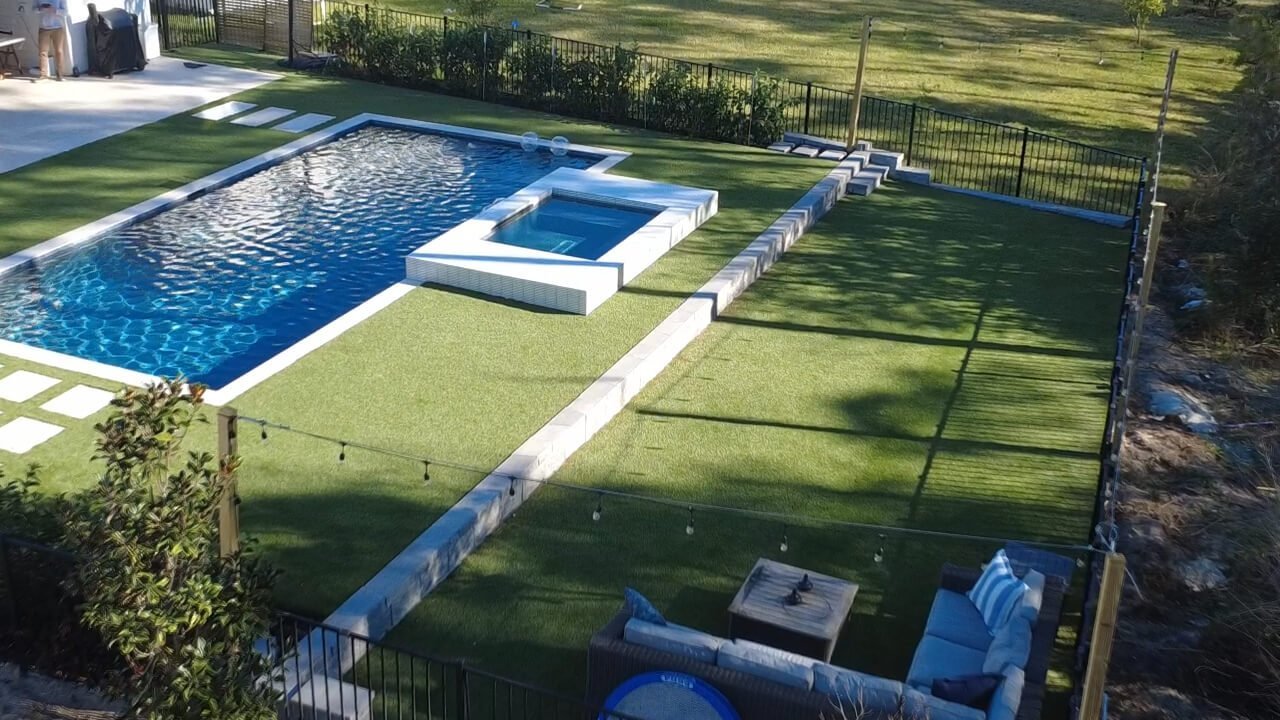
For many yards, the answer is yes, at least in part. A barrier blocks the seeds and roots that can work their way up from the soil below. Without one, a stray weed can establish a foothold in the infill or along the edges, and it tends to be harder to remove from synthetic turf than from a natural lawn.
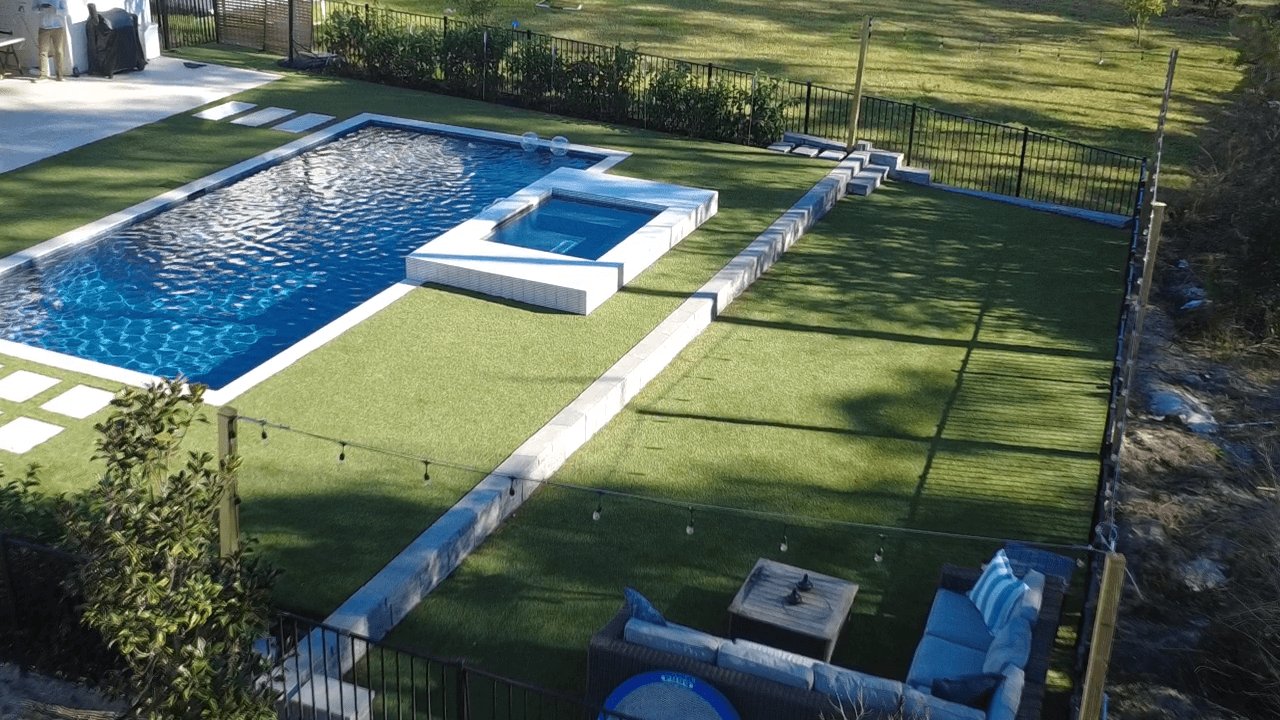
Where the site is a simple patio or a bare, freshly graded lot with little vegetation, a barrier may add cost without much benefit. Your decision should start with what grows on the site today.
- Heavy weed history: lean toward a barrier
- Shaded, damp yards: lean toward a barrier
- Clean, graded, well-drained base: a barrier may be optional
- Concrete or other hard surface: usually no barrier needed
How Weeds Get Through Artificial Turf in the First Place
Weeds reach artificial turf in a few ways. Roots and shoots can push up through gaps at seams, around edges, or where the base was not compacted evenly. Seeds can also blow in and root in the infill layer, which is loose and holds moisture.
Infill matters here. Organic debris and dust collect in the infill over time, giving seeds a place to sprout. Keeping the surface clean reduces that risk.
Weeds growing through the turf versus seeds germinating on top
These two problems look alike but have different causes. Weeds growing through the turf usually come up from the soil below, which points to a gap in the base or a missing barrier. Seeds germinating on top come from wind, birds, or debris and root in the infill.
A barrier stops the first problem. It does little for the second. If you see small green shoots sitting on the surface, the infill and cleaning routine are the fix.
The Real Benefits and Drawbacks of a Weed Barrier
A barrier offers real advantages. It cuts down the number of weeds that reach the surface, it helps keep the base separated from soil, and it can help keep the turf stable over time.
The drawbacks are real too. Some fabrics restrict water flow, which can lead to pooling if drainage is already poor. A barrier also adds material and labor cost. Fabric can tear or shift if the base is not prepared well, and it can trap debris that is hard to clean out later.
- Benefits: fewer weeds, cleaner separation from soil, steadier base
- Drawbacks: possible drainage restriction, added cost, risk of tears or shifting
Non Woven Geotextile Fabric Weed Barrier: Material and Permeability
Not all weed-barrier fabrics are interchangeable, and treating them as equivalent is one of the most common installation mistakes. The two families you will encounter are woven and nonwoven geotextiles, and they behave differently under artificial turf.
Woven geotextiles are made by interlacing flat plastic strands. They tend to have higher tensile strength and are good at separating layers and resisting punctures from angular aggregate. Their pore structure is more uniform, but water passes through in a more directed way, and a tightly woven product can slow infiltration if the base is already marginal.
Nonwoven geotextiles are made from randomly oriented spun fibers that are bonded together. They feel more like felt, stretch slightly, and generally allow water to move through in multiple directions. That makes them forgiving on uneven subgrades and useful where you want both separation and drainage. The trade-off is lower tear resistance, so sharp base material or careless shoveling can snag them.
Permeability is the spec that matters most for turf. It is usually reported on the product data sheet in units such as gallons per minute per square foot or inches per hour. Ask for that number and compare it to your site's expected infiltration. Most practitioners look for a nonwoven product with a permeability comfortably above the design infiltration rate of the native soil, not the lowest number on the shelf.
Other specs worth checking:
- Weight and grab tensile strength, heavier fabric resists tearing during base spreading and compaction.
- UV stability, matters if the fabric will sit exposed at edges or during a staged install.
- Puncture resistance, relevant when crushed aggregate is angular rather than rounded.
- Roll width and seam overlap, wider rolls mean fewer seams, and seams are where roots and weeds find gaps.
geotextile specification guidance
What to Put Under Artificial Grass for Drainage
The base under the turf does most of the drainage work. A well-built base uses crushed aggregate that drains water quickly and stays stable under foot traffic and pet use.
If your site has heavy clay, which is common across Northeast Florida, drainage becomes the main concern. Plan for extra depth of base material and make sure water has a path away from the lawn. For practical options that work for turf lawns, see drainage solutions for artificial turf lawns. A barrier should never block that path.
Artificial Turf Base Preparation Step by Step
Good preparation matters for a stable, well-draining base. Follow these steps:
- Remove all vegetation, roots, and topsoil down to firm ground.
- Grade the surface so water flows away from structures.
- Lay the weed barrier, if you choose one, with seams overlapped and edges secured.
- Spread crushed aggregate in layers and compact each layer with a plate compactor.
- Check the surface with a long straightedge and fix any low spots.
- Install the turf, secure the edges, and apply infill.
Skipping compaction or grading can lead to turf sinking, pooling, or letting weeds through. To see what the finished lawn needs afterward, read the year-round artificial turf care guide for Jacksonville.
The base preparation process follows these steps, with the barrier placed before the aggregate is spread and compacted.
| Step | What to do | Time or frequency |
|---|---|---|
| 1. Clear the site | Remove vegetation, roots, and topsoil down to firm ground | Before base work |
| 2. Grade | Slope the surface so water flows away from structures | Before barrier |
| 3. Lay barrier | Lay the weed barrier, overlap seams, secure edges | If chosen |
| 4. Spread and compact | Spread crushed aggregate in layers, compact each with a plate compactor | Each layer |
| 5. Check surface | Run a long straightedge and fix low spots | After compaction |
| 6. Install turf | Secure edges, install turf, apply infill | Final step |
Choosing a Setup for Your Site and Booking Your Estimate
The useful version is a decision guide you can apply to your own yard before getting an estimate. Use the four factors below to decide whether a barrier is worth it for your site.
1. Soil type. Sandy, fast-draining soil rarely holds enough moisture to support vigorous weed growth from below, so a barrier is often optional if the base is properly compacted. Clay and loam soils hold moisture and weed seed, so a barrier earns its cost more often. If your soil is heavy clay, the bigger question is drainage, not weeds, plan a deeper aggregate base and confirm water has a path away from the lawn.
2. Weed pressure today. Walk the site and note what is growing. Bare, freshly graded ground with little vegetation is low pressure. A yard with established bindweed, nutsedge, or persistent grasses is high pressure, and those species can push through seams and edges even with fabric. In high-pressure sites, thorough removal before base work matters as much as the fabric itself.
3. Drainage and slope. A barrier should never be the reason water pools. If the site already collects water, fix grading and base depth first, then choose a permeable nonwoven fabric rather than a tight woven one. On a hard surface such as concrete, a barrier is usually unnecessary because there is no soil for roots to rise from. For a homeowner planning a yard install, see residential artificial turf installation in Jacksonville.
4. Intended use. A pet area, play space, or high-traffic lawn benefits from a stable, well-separated base, and a barrier supports that. A decorative strip or a lightly used patio may not justify the added material and labor.
A simple way to frame it:
- High weed pressure, damp soil, thin base: barrier recommended.
- Low weed pressure, sandy soil, deep compacted base: barrier optional.
- Poor drainage anywhere: fix drainage before deciding on fabric.
- Hard surface: no barrier needed.
Alternatives when a barrier is not the right call. You can skip continuous fabric and still control weeds with thorough vegetation removal, a properly compacted aggregate base, targeted edge treatment, and routine surface cleaning. Those steps address the same problems a barrier is meant to solve, and they avoid the drainage and tear risks fabric can introduce.
If weeds appear after installation. Diagnose the source first. Shoots rising from below point to a base gap, a seam, or a missing barrier, and the fix is usually localized: lift the affected area, remove the root, and repair the base and seam. Small green shoots sitting on the surface are seeds that landed in the infill, and the remedy is cleaning and infill maintenance, not removing the turf.
Bring your site details, soil type, drainage issues, weed history, and how the space will be used, so the recommendation fits your property rather than a default. You can request a free estimate through our website.
Frequently Asked Questions
Should I put a weed barrier under artificial turf?
In most Northeast Florida yards, a permeable weed barrier is worth using under artificial turf, especially where native soil is loose, sandy or full of weed seed. It stops weeds from pushing up through the infill and backing and gives the base a more stable layer. Where the base is already a well-compacted aggregate and weed pressure is low, many installers skip a full barrier. The fabric you choose matters: it should be permeable so rain and irrigation still drain through, and it should not trap water above the base.
Can weeds grow through artificial turf?
Yes. Weeds usually reach artificial turf in two ways: seeds blow or wash onto the surface and germinate in the infill, or roots push up from the soil below through gaps, seams and worn edges. Seeds germinating in infill are the more common problem on well-installed turf, and they are often easy to pull by hand. Root penetration is a sign the base or barrier has failed at an edge or seam and needs repair.
What should I put under artificial grass for drainage?
A compacted crushed aggregate base, typically several inches deep and graded to a slight slope, provides most of the drainage. Place a permeable non woven geotextile fabric over native soil to separate the base from the ground and limit weed growth, and avoid solid membranes that block water. Check drainage after installation by running a hose over a test section and confirming water passes through within a reasonable time without pooling.